When the gutter can’t hold any more water, it has to go somewhere. It may spill over the front, run behind the gutter, or sit in a low section of the channel. Each one causes trouble. Water spilling over the front lands close to the foundation, while water running behind the gutter can soak the fascia and nearby exterior materials. Water left standing in the gutter also puts extra weight on the system and the fasteners holding it in place.
Check beneath the gutters for stains, dark streaks on the siding or fascia, and dirt splashed onto the lower walls. Those marks can stick around well after a storm and give you a good idea of where overflow has been happening even if you didn’t see it yourself.
Gutter cleaning in Robbinsville clears out the material blocking the flow, but debris isn’t always the whole problem. A gutter can also drain poorly if part of it is sagging, a bracket has come loose, or the pitch is off. A reliable handyman in Pennington, NJ can look at accessible trouble spots when routine maintenance turns up an issue that goes beyond a simple clog.
Look for Soil Erosion Near the Foundation
Water falling from the roof can hit the ground hard enough to wash away loose soil, mulch, and other landscaping material. When a gutter is clogged, runoff becomes concentrated along parts of the house instead of being carried toward the downspouts. After a few storms, you may start to see shallow grooves under the roofline or bare patches where soil has washed away.
Soil movement near patios, walkways, and small exterior structures needs attention as well. Water washing beneath the edge of a paved surface can remove some of the supporting soil. The loss of support contributes to settling or uneven sections. Fixing drainage issues early helps prevent a relatively simple maintenance problem from becoming a larger home improvement project.
Pay Attention to Damp Basement or Crawl Space Walls
Water collecting near the foundation doesn’t always lead to an obvious leak. Moisture can work its way in through small cracks, porous masonry, joints, utility openings, or gaps around basement windows. You may notice a darker patch on a basement wall after a storm or damp spots around the edge of a crawl space.
Efflorescence is another clue. This chalky white residue appears when moisture moves through masonry and leaves mineral deposits behind after the water evaporates. It doesn’t identify the exact source by itself, but it shows that moisture has passed through the material.
Musty odors, peeling paint, bubbling coatings, damp insulation, and water marks near the bottom of a wall can all point to a moisture problem. Check outside first and see where the roof runoff is going. If the damp area indoors sits near an overflowing gutter, a clogged downspout, or a low spot beside the house, drainage around the exterior may be contributing to it.
Not every basement or crawl space moisture issue comes from the gutters. Plumbing leaks, groundwater, poor grading, and foundation cracks can cause many of the same problems. Still, gutter cleaning is a good place to begin when the gutters are visibly clogged, or water is spilling beside the foundation. Getting the runoff moving in the right direction removes one common source of excess water around the house.
Inspect Downspouts for Blockages and Poor Drainage
Clean gutters won’t solve the problem if the downspouts remain clogged. Debris frequently collects near the opening where the gutter feeds into the downspout. Smaller material can also travel farther down the pipe and create a blockage inside an elbow.
While it’s raining, watch how quickly water comes out of each downspout. If the gutter starts filling even though the channel looks clear, a blockage may be hiding farther down the pipe. Leaks around the joints or water backing up near the top are other signs that the downspout may be clogged.
Pay attention to where the downspout empties, too. Runoff shouldn’t be released into a low spot right beside the foundation. Depending on the property, extensions, splash blocks, or other drainage pieces can help move that water farther from the house. What works best will depend on the grade, landscaping, and drainage conditions around the home.
Include downspouts whenever you plan exterior home improvement maintenance. Leaves at roof level are easy to spot, but restrictions inside the vertical pipe are less obvious. Mr. Handyman can help with gutter cleaning and related exterior maintenance when debris, accessibility, or damaged components make the job difficult to handle from the ground.
Are Clogged Gutters Putting Your Home at Risk?
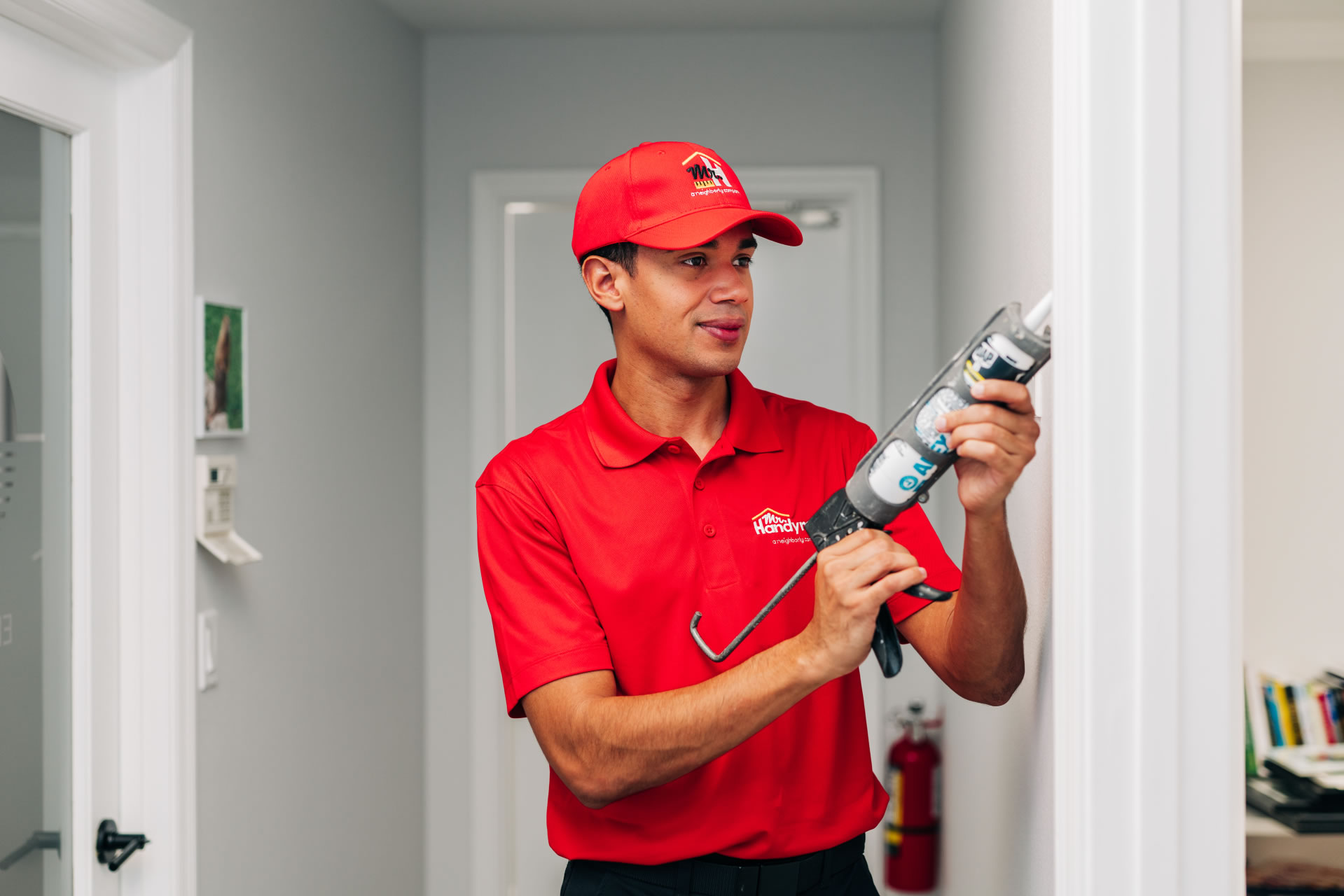
If you’re seeing gutter overflow, puddles beside the house, erosion, or moisture near the foundation, Mr. Handyman can help take care of the exterior maintenance that may be contributing to it. Our team handles repairs and routine upkeep around the home, giving you one place to turn when gutters and other exterior components need attention. Contact us today to schedule a service and help keep roof runoff headed away from the house.