Water is the most common reason adhesive fails after years of holding strong. If moisture gets under the tile through grout lines or a crack, it breaks down the thinset. You'll notice this first in bathrooms, kitchens, and entryways where water exposure is higher. The tile might look fine from the top, but underneath, the bond has dissolved into a chalky mess.
Temperature extremes also weaken the adhesive. A tile floor near an exterior door in a cold climate expands and contracts with every freeze-thaw cycle. Movement stresses the bond, and eventually, the thinset gives up. Pulling a loose tile and checking the back will tell you everything. If it comes up clean with no mortar stuck to it, the bond never set right in the first place.
How Moisture and Water Damage Lead to Tile Failure Over Time
Water weakens adhesives, but it also rots wood subfloors, rusts metal fixtures, and creates conditions for mold growth. A small leak under a toilet or behind a shower valve can go unnoticed for months. By the time the tile starts cracking or lifting, the damage underneath has already spread.
When moisture saturates a wood subfloor, the wood swells and then softens, which creates the deflection that cracks tile. Once the water source stops, the wood dries out, but it doesn't return to its original shape. You end up with a wavy subfloor that can't support rigid tile anymore. The only fix is cutting out the damaged section and replacing it with new plywood before the tile goes back down.
Water vapor rising through a concrete slab without a proper moisture barrier will push up through grout lines and weaken thinset bonds. You might not see standing water, but the tiles will sound hollow when you tap them because there's nothing holding them down anymore. A moisture meter will confirm if the slab is releasing vapor at levels too high for tile adhesive to survive. If it is, you'll need a vapor barrier installed before your home improvement project moves forward.
When a Single Tile Replacement Is Enough vs. When the Problem Is Bigger
Replacing one cracked tile makes sense if the damage was caused by a single impact and everything around it is in good shape. If you drop a cast-iron pan on the kitchen floor, you'll crack the tile right where it landed. The subfloor is fine, and the adhesive is fine. You just need a new tile.
Tap the tiles around the damaged one with the handle of a screwdriver or a wooden spoon. A solid tile sounds dull and dense. A hollow sound means the bond underneath has failed, even if the tile hasn't cracked yet. If you hear the hollow sound in more than one spot, it's not a single tile problem. You're probably looking at an adhesive failure that's spreading.
Check for a pattern. Cracks that line up in a row suggest a seam in the subfloor that's moving. Loose tiles clustered in one area point to localized water damage. Random cracks scattered across a large space indicate deflection from an undersized or weakened subfloor. The pattern tells you if you can patch or whether you need to pull up a section and rebuild the base. Guessing incorrectly costs more in the long run because the problem doesn't stop spreading on its own.
What to Expect When You Call in a Professional for an Assessment
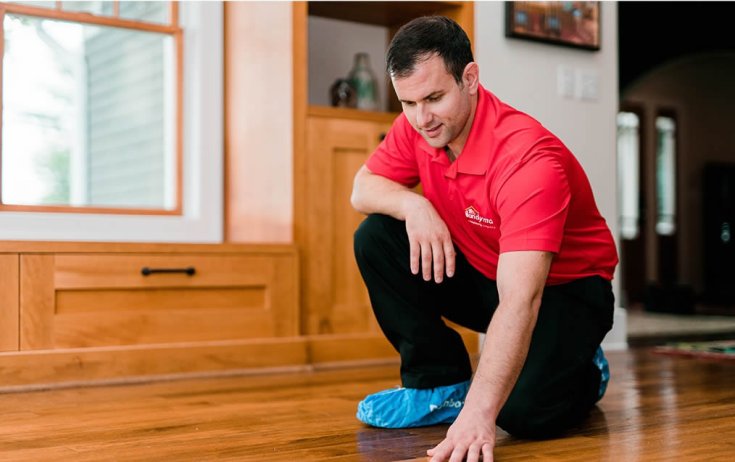
A qualified handyman will start by walking the floor and tapping tiles to map out which ones are compromised. They'll check grout lines for gaps or cracks where water could have gotten through. They'll look at the surrounding areas for signs of moisture damage like discolored grout, rust stains, or soft spots.
If the problem looks like it extends past the tile surface, they'll need to remove at least one damaged tile to inspect what's underneath. That means breaking it out with a chisel and checking the condition of the thinset, the subfloor material, and the moisture level. This step isn't optional if you want an accurate diagnosis. Surface-level guesses lead to incomplete repairs.
The assessment should result in a clear explanation of what caused the damage, what needs to be fixed, and whether it makes sense to repair or replace. A few tile swaps might cost a couple of hundred dollars, and a subfloor repair with tile replacement can run into the thousands, depending on the size of the affected area. Either way, you'll know exactly what you're paying for and why. That's the value of working with someone who's seen tile repair & replacement projects fail and knows what holds up long-term.
Are You Ready to Fix a Cracked or Loose Tile Before the Problem Grows?
Call Mr. Handyman for a professional assessment. We'll diagnose the issue, explain your options, and deliver a repair that lasts. Our technicians have the experience and tools needed to get your next home improvement project done right the first time.