Floors take a beating, but the real trouble usually isn't what you can see. It's what's happening underneath, like moisture creeping into the subfloor, pest damage you didn't know about, or wood rotting from a leak that never got fixed. By the time the surface starts showing problems, the damage below has usually been building for months or even years. Knowing how to detect hidden damage under your flooring can save you from a much bigger repair bill in the future. At Mr. Handyman, we've pulled up plenty of floors expecting a quick fix only to find a mess underneath. Here's how to spot the warning signs before they turn into something serious. Catching these issues early makes any future home improvement project simpler and less expensive.
Soft or Spongy Spots When You Walk Across the Room
Your floor should support your weight without giving way. When certain areas compress under your feet or bounce slightly, that's a red flag pointing to structural compromise beneath the surface. Water damage causes this most frequently. A slow leak from a pipe, appliance, or even condensation can saturate the subfloor. Plywood and particle board both absorb moisture and lose their rigidity. The fibers break down, and the material becomes soft. You might notice this near bathrooms, kitchens, dishwashers, or refrigerators with water lines. Walk slowly through these areas and pay attention to any sections that dip or flex. Mark them with painter's tape so you can track if they're spreading. Termites and carpenter ants also create soft spots by hollowing out wood from the inside. The surface looks intact while the structure underneath crumbles. If the soft area sits nowhere near a water source, insect activity becomes a likely culprit. Either way, soft spots are a sign of active deterioration. Ignoring them allows the damage to spread into floor joists, which turns a moderate floor repair into a major structural project.
Persistent Odors That Cleaning Won't Get Rid Of
A musty or sour smell that returns no matter how much you scrub points to a problem below the surface. Mold and mildew grow in dark, damp environments, and the space between your flooring and subfloor creates ideal conditions. These organisms release volatile compounds that produce odors. You might notice the smell intensifies during humid weather or after running certain appliances. Carpet and laminate trap moisture underneath more than tile or hardwood, so these materials mask mold growth longer. The smell develops over weeks or months as colonies expand. Some homeowners mistake this for pet odors or general mustiness and try to cover it with air fresheners. This fails because the source remains active. Prolonged mold exposure creates respiratory issues for household members, especially children and those with allergies. Mold also weakens wood fibers and degrades adhesives that hold flooring in place. If you've cleaned well and the odor persists, the subfloor probably needs inspection.
Discoloration or Staining Along Edges and Corners
If you're seeing dark spots, yellow rings, or white mineral deposits along your baseboards, water has been traveling beneath your flooring. Edges and perimeters collect moisture because gravity pulls it toward the lowest points. The location of the stain tells you where to look for the source. Exterior wall staining usually means water is getting in from outside. That could be foundation cracks, failed weatherproofing, or grading issues around the house. Interior wall staining points toward plumbing. Pipes run through walls and under floors, and a small drip can migrate a surprising distance before it shows itself. Don't skip the windows either. Failed seals and condensation can send water straight down into the flooring. The color of the stain matters. Dark brown or black means the area stayed wet for a long time, and wood rot is likely. Lighter staining means the moisture was more recent or came and went. Visible staining of any kind means water penetrated past the surface layer. You can use a moisture meter to check saturation levels without tearing anything up. Anything above fifteen percent in wood is worth investigating.
When to Pull Up a Section to Inspect
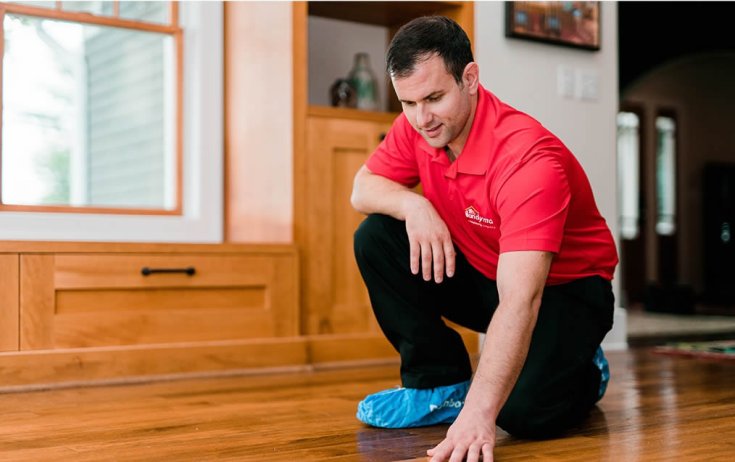
There are times when the only way to know for sure is to pull up a section of flooring and look. You don't have to demolish the room to do it. Pick an inconspicuous spot near the suspected damage. Inside a closet works well, or along a wall that's covered by furniture anyway. Carpet pulls up at the edges and can be restretched when you're done. Laminate planks unlock from each other and lift right out. Vinyl tiles come up with a heat gun and a putty knife. Hardwood is trickier, but cutting through the tongue with an oscillating tool lets you remove a single board cleanly. With the subfloor exposed, look for discoloration, warping, soft spots, or visible mold. Press down to test whether the material still feels solid. Run a flashlight across the surface at an angle to spot raised sections or depressions. Check for sawdust piles or small holes that point to insect damage. Give it a smell. Mustiness confirms fungal growth even if nothing is visible. Document everything with photos. That evidence helps when getting floor repair quotes or filing insurance claims for water damage. If the subfloor is dry and intact, you've confirmed that section is fine and can reinstall the flooring. If you aren’t comfortable performing this task, a local handyman can make sure it’s done correctly.