The wobbly railing on your deck or staircase is a serious accident waiting to happen. Every year, thousands of people are injured in falls that could have been prevented by a sturdy handrail, and many of those accidents happen at home. Mr. Handyman has repaired many loose railings for homeowners who didn't realize how dangerous the situation had become until someone got hurt. The little wiggle can turn into a complete failure at the worst possible moment, especially when a child, elderly family member, or guest is relying on the railing for support. Keep reading to find out why railings loosen, who is most at risk, and what it takes to make sure yours are secure.
How a Simple Wobble Can Lead to a Serious Fall
Nobody tests a railing before they grab it. You just reach out, and you expect it to hold. That kind of automatic trust is what makes a loose one so dangerous. Your body commits to the movement before your hand ever touches the rail. Whether you're heading down a staircase or stepping off the porch, you're already in motion. If the railing gives way or shifts unexpectedly, you have almost no time to recover your balance, and the result can be a tumble down stairs or off a raised surface. The physics work against you because your center of gravity has already shifted in anticipation of the support you expected to receive. You don't have to fall far to get hurt badly. A tumble from just a few steps can leave you with broken bones, head injuries, sprains, and bruises that take weeks or months to recover from. Outdoor railings are even riskier because you're landing on harder surfaces. Wooden decks and concrete patios make the impact that much worse. You might have learned to work around the wobble you noticed six months ago, but your visitors and family members have no idea. They'll grab it and expect it to hold their full weight.
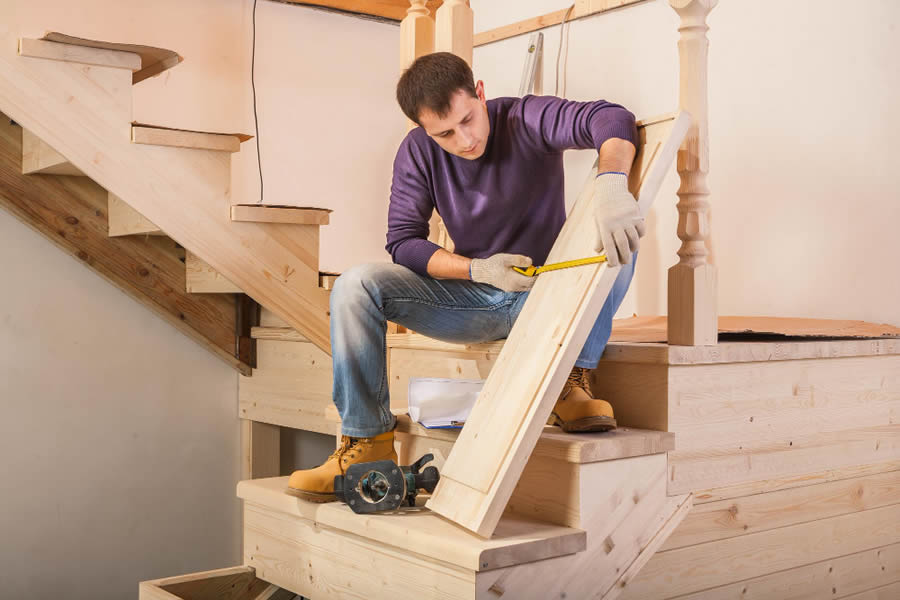
Railing and stair repair services will keep everyone safe.
Who Is Most Vulnerable When Railings Fail
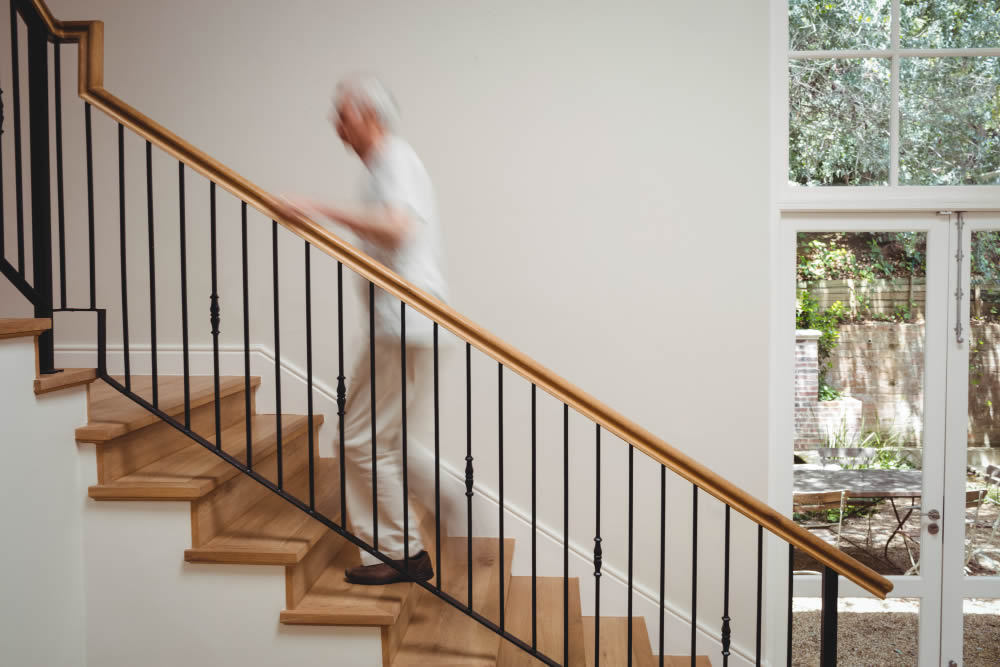
Children and older adults are in the greatest danger from unstable railings, but anyone can be injured in the right circumstances. Handrails aren't optional for seniors. A fall at seventy can cause a hip fracture or head trauma. Also, kids treat railings like playground equipment. They hang on them, swing from them, and put sideways pressure on posts and balusters. People who don't know your home will reach for whatever railing is available, especially after dark or when they're trying to walk up or down unfamiliar outdoor steps. Pregnant women lean on railings. So do people hauling groceries or laundry up the stairs. Anyone recovering from surgery or dealing with an injury relies on them. What all these people have in common is that anyone whose balance, strength, or mobility is compromised is going to put more weight and more trust into a handrail. When you're thinking about home improvement priorities, think about who actually uses your space. If any of these groups visit regularly or live with you, railing stability isn't something you can put off.
Why Railings Loosen and What Causes the Damage
Wooden railings go through seasonal expansion and contraction, and over months and years of temperature swings, fasteners become loose. Metal railings aren't immune to wear, either. Welds can crack, and the mounting hardware corrodes. Humidity makes it worse. The posts that anchor most railing systems are subject to tremendous leverage forces every time someone leans on the rail, and repeated stresses can work bolts free from their holes or cause the wood around fasteners to compress and weaken. Water infiltration is another major culprit because moisture that gets into post bases or connection points causes rot in wood and rust in metal, which destroys structural integrity without visible warning signs. Deck railings take additional punishment from the elements, including UV exposure that breaks down finishes and allows moisture penetration. Even a properly installed railing will eventually need attention because no fastener or connection lasts forever. The damage normally starts at connection points where the posts meet the deck's surface or where the rail meets the posts, and these are exactly the spots that bear the most load when someone grabs on for support.