Wood doors are the most susceptible to warping, especially on exteriors with direct sun exposure or frequent rain. Fiberglass and steel doors warp less but can develop separation at seams or around glazing inserts when the sealant breaks down. A minor bow in a wooden door can sometimes be corrected with adjustments to the hinge side or added weight. Serious warping or structural separation means the door has lost its integrity and won't reliably hold weatherstripping or hardware.
This is one of the clearest signs that replacement is the right call. A warped door allows conditioned air to escape, which raises your energy bills, and it creates gaps that insects and water can work through.
Cracks, Soft Spots, or Water Damage in the Material
Press firmly on the lower corners and bottom edge of an exterior door. Soft spots in a wooden door indicate rot, which spreads inward from the surface and compromises the structural core. Cracks along the face or stiles will allow water to penetrate deeper with every rain, which accelerates the damage.
Steel doors rust at the bottom edge when the protective coating wears away, and fiberglass doors develop cracks that let moisture reach the foam core. Discoloration, bubbling paint, or visible deterioration around the door frame suggests the problem has extended past the door and into the surrounding area. That's a home improvement issue that requires more than a coat of paint or a weatherstrip swap.
Rot and rust don't reverse. A small affected area on a wood door can sometimes be patched with epoxy filler as a short-term measure, but once the damage covers a structural section, the door needs to go. Continuing to operate a compromised door risks damage to the frame, threshold, and subfloor beneath it.
Loose Hinges or Hardware That Will Not Stay Secure
If you tighten a loose hinge screw and it only holds for a week, the cycle means the wood behind the screw has stripped out and can no longer grip the fastener. Longer screws driven into solid framing can fix this in some cases. When the hinge leaf has pulled away from the door edge or the mortise has worn down, the repair becomes more involved.
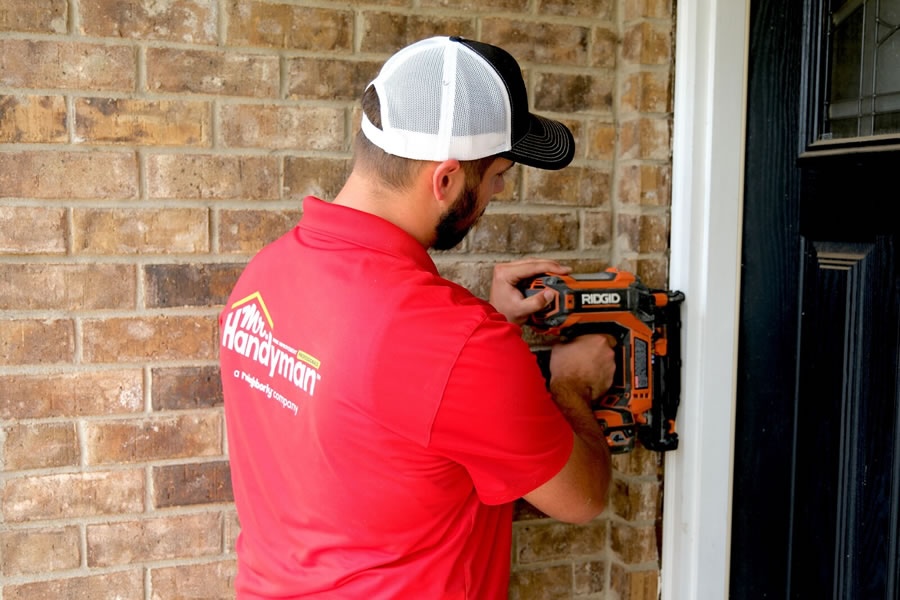
Hardware that wobbles, rattles, or requires repeated adjustment also points to wear in the door. Deadbolts that don't throw cleanly, knobs that spin, and handles that sag are signs the door is no longer in good condition. A handyman in Hopewell Township can replace individual hardware components, but when the underlying material won't hold fasteners, hardware replacements become temporary solutions.
Loose hinges change the alignment of the door in the frame. The door starts to drop, which causes it to drag, which damages the threshold and floor finish. Catching the problem early keeps the repair cost lower and prevents secondary damage.
Persistent Drafts Despite Weatherstripping Repairs
You've replaced the weatherstripping twice, and there's still a draft. If so, the problem isn't the weatherstrip; it's the door. When a door has warped, settled, or shrunk, the gap it leaves behind is uneven, and no weatherstripping product compensates for a door that doesn't sit square in the frame.
Check the gap around all four sides of a closed door with a flashlight and a helper outside at night. Visible light along the hinge side, the top, or the latch side means the door is no longer making consistent contact. This gap allows unconditioned outside air to enter continuously, which forces your HVAC system to work harder and drives up monthly energy costs.
Door repair through rehinging or planing can close smaller gaps. When the frame itself has shifted or the door has lost its shape, replacement is the practical path. New doors come pre-hung with factory-applied weatherstripping that's calibrated to the unit, which gives you a tighter seal from day one. This is a home improvement investment that pays back in lower utility bills.
When to Call a Pro
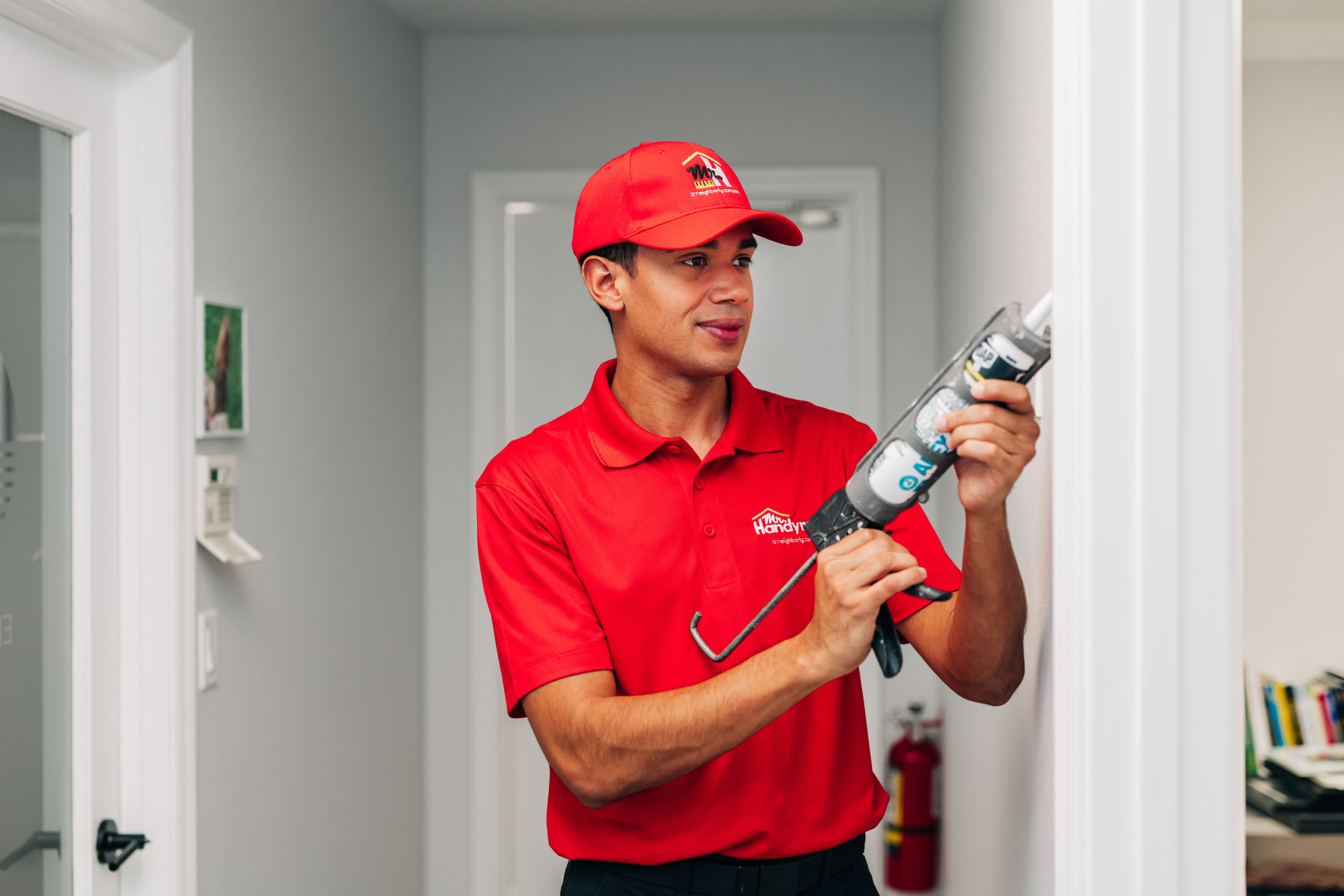
If you're seeing more than one of the signs above on the same door, the repair-versus-replace calculation tilts toward replacement. A new door installed correctly costs less over five years than repeated repairs on one that's failing. Mr. Handyman offers door repair and full replacement for interior and exterior doors. Our team will check the door, frame, and surrounding structure before recommending the right solution. Contact us to schedule your service.