Caulking and weatherstripping both help seal your home, but they do very different jobs. At Mr. Handyman, we regularly see projects where someone grabbed the wrong product and ended up dealing with the same drafts or leaks just a few months down the road. The distinction might sound minor, but each one serves a completely different purpose. Understanding where each product belongs makes your repairs last longer and keeps your home comfortable year round. Here's a breakdown to help you tell them apart.
Caulk Seals Gaps That Don’t Move
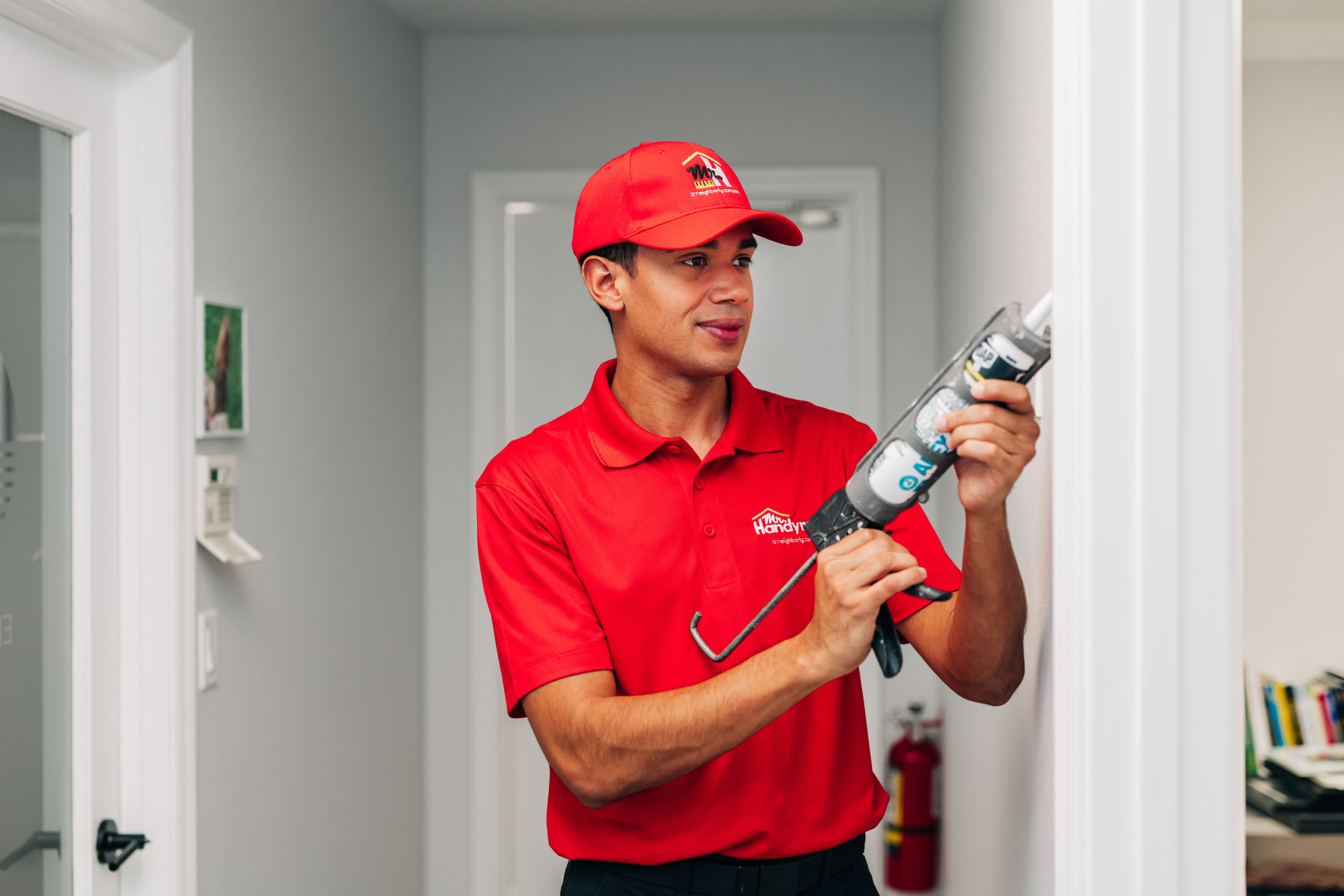
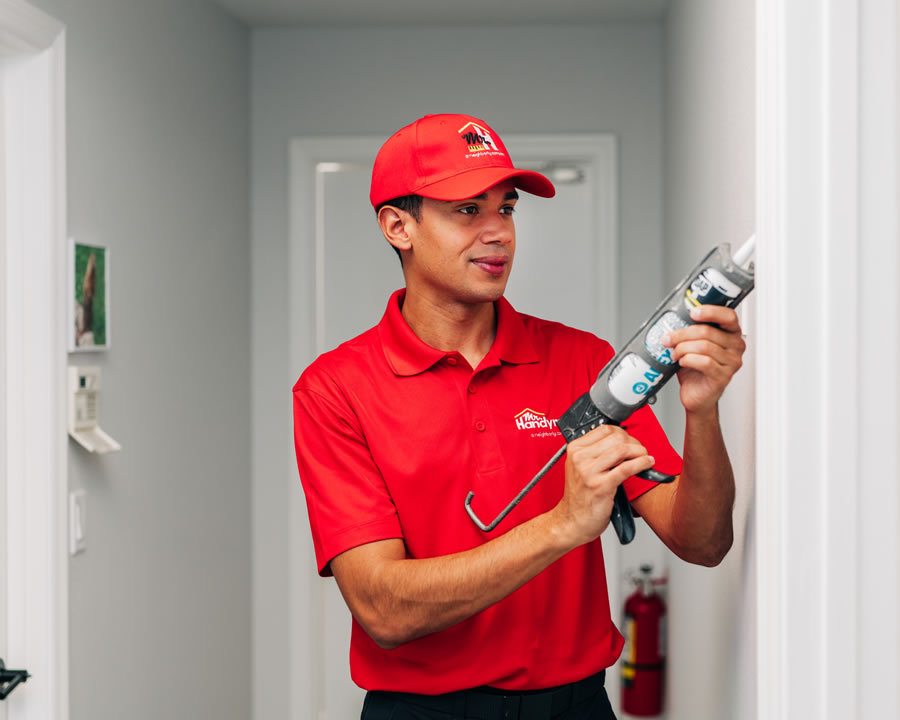
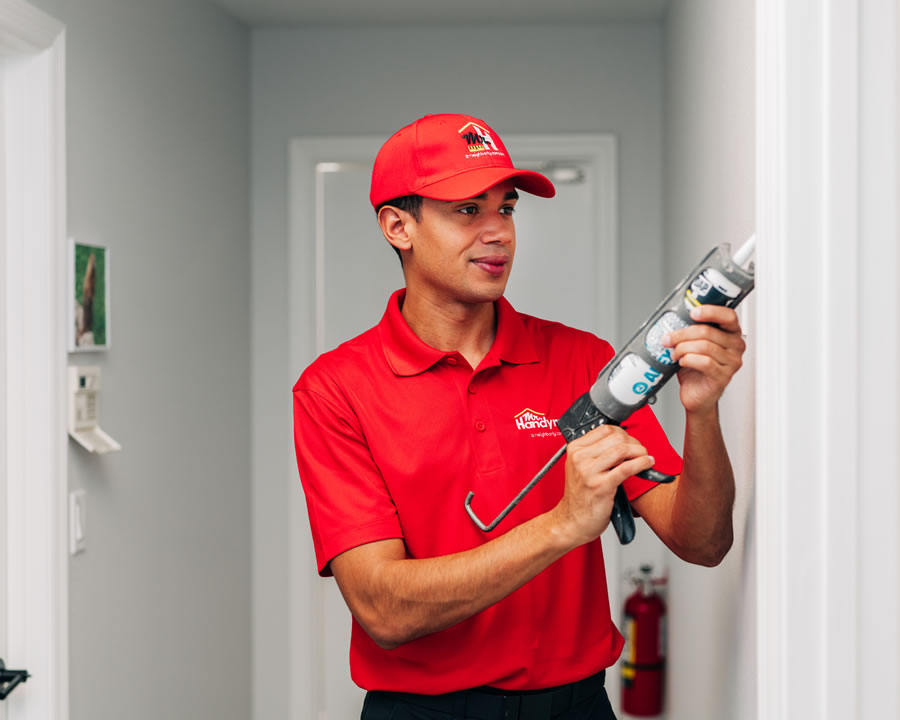
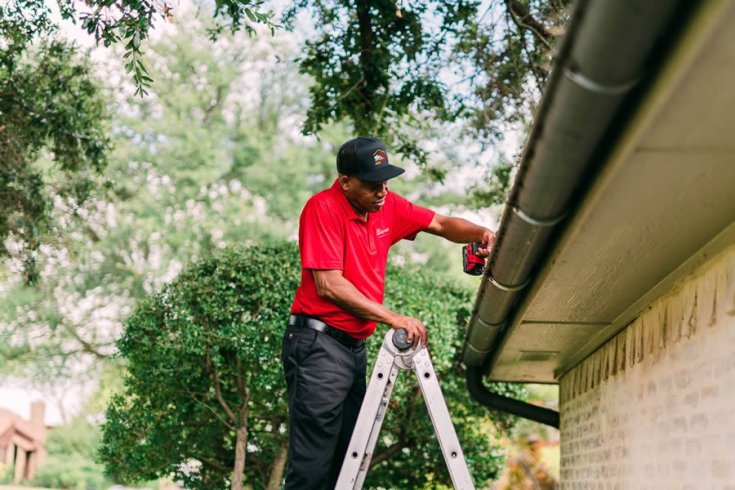
Caulk is a stable filler that works best in places that never move. Think of the seam where trim meets drywall or the edge where siding meets a window frame. They don't flex once they're installed. They might expand and contract with the seasons, but they won't swing or slide so a firm bead of caulking holds up well. It bonds to both sides of the gap and stays put once it cures. You get a solid barrier that blocks air, water, and small pests. A walkthrough with a homeowner usually involves stopping at corners and joints most people overlook. These spots might appear harmless, but even a thin crack between a countertop and backsplash invites moisture that leads to staining or damage. Applying a small bead of the right product prevents the problem from ever gaining a foothold. Exterior surfaces need even more attention. Wherever siding, brick, or stone meets trim, there's a natural weak point in the structure. Wind has no trouble pushing air through gaps like these, and once water finds the same opening, damage is only a matter of time. Running a clean line of sealant along these joints offers protection that lasts for years when done correctly. Getting the surface ready is what makes the difference between a repair that holds and one that fails. Dust, flaking paint, and leftover residue from old caulk all get in the way of a solid bond. Spending a few minutes with a scraper and a damp cloth gives fresh material something to grab onto.
Weatherstripping Protects Areas That Need To Open and Close
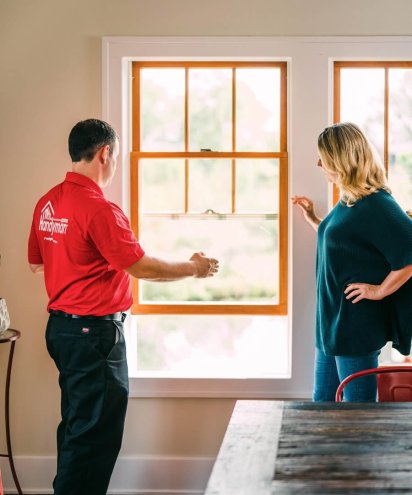
Where there's motion, there needs to be flexibility. Soft material compresses when a door or window closes and bounces back to its original shape when it opens again. Doors and windows settle as a house ages. Humidity can change how wood frames sit in their openings. As these small issues accumulate, gaps start forming along the latch side, the hinge side, or at the bottom sweep. Air finds its way through and brings dust along for the ride. Even when a door appears fully closed, the space behind it can feel drafty. Swapping out worn material solves the problem more effectively than almost any other minor repair. Peel and stick foam strips handle most small interior doors just fine. A solid rubber strip works well on exterior doors. Felt remains a good choice for certain wood windows. Spring metal strips hold up well in demanding spots like attic hatches. Walking homeowners through the right choice usually involves watching how the door shuts. Light showing through the edge means the old strip has collapsed and lost its shape. A latch that's loose suggests the frame needs fresh support. A proper installation lets the door close with quietly rather than a harsh slam. The door still operates the same way, but now the edge maintains a tight barrier that reduces energy loss.
Temperature Control Improves When Each Product Is Used Correctly
Sealing the envelope properly allows your heating and cooling equipment to perform at its best. When gaps are closed and moving edges are lined with flexible material, conditioned air has nowhere to escape. Reaching a comfortable temperature happens faster, and the system doesn't have to keep running all day to maintain it. Winter stops bringing pockets of cold air near exterior walls, and in the summer there's no warm zones that the air conditioner can't reach. The thermostat gives you actual control over how the house feels. Lower energy consumption comes along for the ride. When air stays where it belongs, the equipment doesn't burn out early. Components last longer because they aren't working overtime month after month. Bills shrink and repairs aren't needed.
A Quick Inspection Shows You Which Material Your Home Needs
A quick walk through your home can tell you a lot about where air is getting in. Choose a cold day and hold your hand close to the edges of doors and windows. Feeling a draft against your palm points you right to the problem. You can also shine a beam along the frame from one side while someone stands on the other. Anywhere light sneaks through is a spot worth noting. Once you've covered doors and windows, shift your focus to stationary joints. Corners, trim edges, and seams between different materials all deserve a close look. Visible cracks in these areas are invitations for outside air to make its way in. Note the size of the crack because wide gaps may need a backer rod for support before the bead goes in. Once you work through each floor, you get a clear picture of the issues. A handyman service will let you know where the hidden trouble spots sit. Professionals can identify forgotten spaces like for issues like attic penetrations, plumbing chases, or rim joists in the basement. These areas take careful prep and clean application. When done well, they give your home a firm seal that holds up against seasonal pressure changes.