The tradeoff with any filtration material is airflow. A tighter weave means more resistance, and some filtered screens reduce airflow by 10 to 25 percent compared to standard mesh. Better products minimize this by using high-transparency fibers and optimized weave geometry that maintains cross-ventilation without losing filtration performance. A qualified handyman in Belle Mead, NJ can walk you through the airflow ratings on different products before installation, so you're not guessing.
What separates quality filtered screen installation from a DIY swap-out is tension and fit. A screen that sags, gaps at the corners, or sits loose in its frame creates bypass paths where unfiltered air enters around the edges. Proper installation ensures the screen seats tightly against the frame on all four sides with consistent tension across the surface.
What Particle Types Filtered Screens Are Designed to Block
Fall brings a specific mix of airborne irritants that differ from what you'd encounter in spring or summer. Ragweed pollen peaks in September and October across most of the country, with individual grains measuring around 20 microns. Leaf mold spores become airborne as fallen leaves begin to decompose, and range from 10 to 30 microns. Wood smoke particles from neighbors burning brush or using fire pits measure between 0.1 and 10 microns and are among the hardest to filter without restricting airflow. Quality filtered screens target the mid-range particles most effectively:
- Ragweed and grass pollen (10–100 microns)
- Mold spores released by decomposing organic material (10–30 microns)
- Construction dust and fine debris (25–100 microns)
- Insect fragments and pet dander (5–100 microns)
Very fine particles, such as smoke, fall below the effective range of most filter screens. If wood smoke is your primary concern, filtered screens will reduce it but won't eliminate it. For pollen, mold, and coarse dust, the performance difference compared to a standard screen is substantial.
A Closer Look at the Screen Installation Process
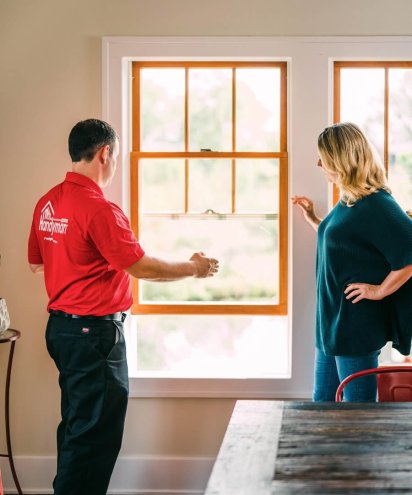
A professional screen installation assessment starts by identifying which windows get the most airflow and which face the direction of prevailing winds. In most homes, that's the south and west-facing windows. These are the primary entry points for outdoor air and the ones where filtered screening makes the biggest difference. Windows that rarely open or face the sheltered sides of the house are a lower priority.
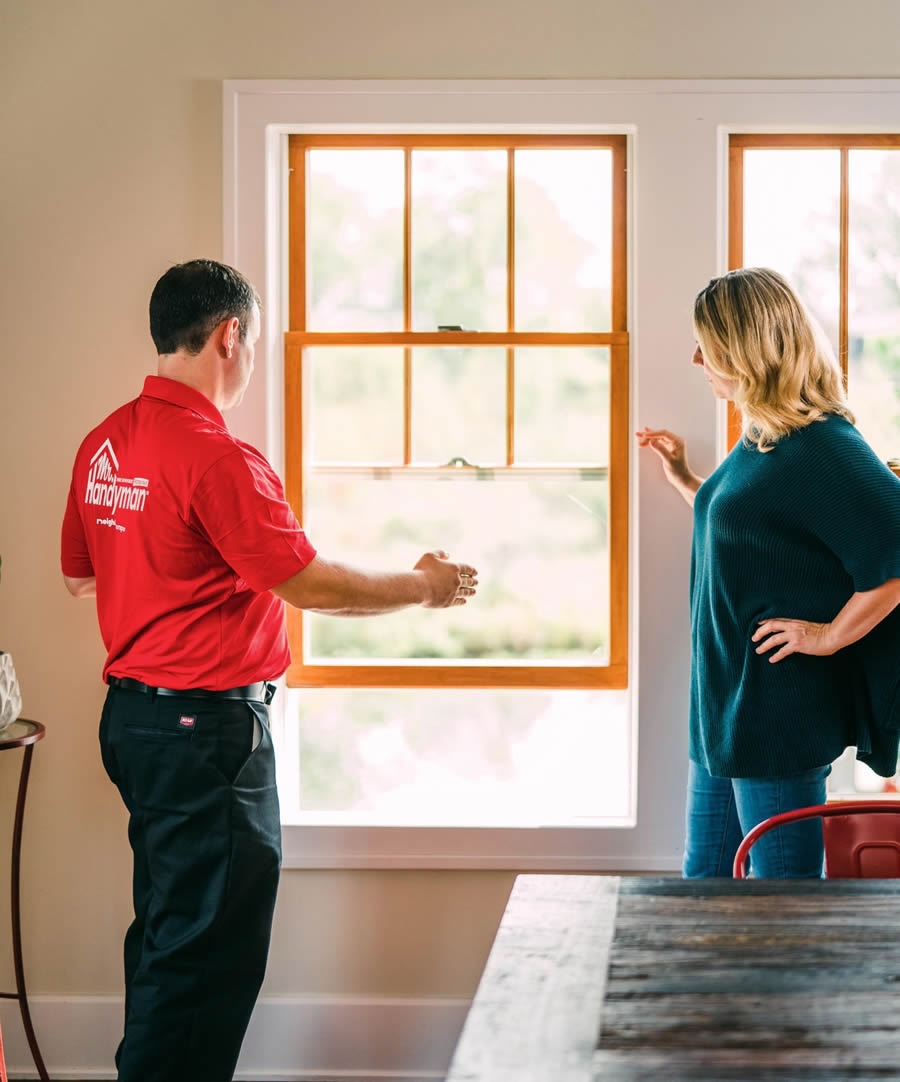
From there, an experienced handyman measures each window opening individually. Screen sizes aren't universal, and even windows of the same nominal size in the same house can vary by a quarter inch or more due to settling or manufacturer variation. Frames get inspected for damage, corrosion, or warped channels that would prevent a proper seal. Frame issues get taken care of before new screens go in.
Installation involves cutting the filtered screen material to size, rolling it into the frame channel with a spline tool, and trimming the excess. If done correctly, the screen sits flat with no ripples, sits fully in the channel with no gaps, and pulls taut without distorting the frame. A good home improvement professional completes most standard windows in 30 minutes per screen, depending on size and frame condition.
Why Pairing Screen Installation With a Home Improvement Checklist Saves Money
Scheduling screen installation as a standalone trip is fine, but combining it with other seasonal tasks during the same service visit reduces your total cost per project. A professional handyman is already at your home to install filtered screens, so they can also inspect window frames for seal failure, check exterior caulking, assess weatherstripping on doors, and flag moisture intrusion around window sills, all in the same visit. Just make sure you’re clear about what services you want when booking.
Fall is the right time to catch these issues before winter sets in. A failing window seal that lets cold air in costs you money on heating bills every month until it's fixed. Weatherstripping worn down to bare metal on an exterior door lets in drafts and moisture. Catching both during a screen installation visit costs you nothing extra in travel or diagnostic time.
Home improvement projects compound in value when they're coordinated rather than reactive. Filtered screen installation extends the life of your window frames by reducing the amount of debris and moisture that contacts the sill area. Clean frames last longer and need less maintenance.
Are You Ready to Open Your Windows Without the Allergies?
Filtered screen installation is one of the more practical fall upgrades a homeowner can make, and the results show up immediately. Contact a local handyman this season to check your windows, recommend the right screen material for your airflow needs, and make sure the installation is done correctly. Mr. Handyman offers professional-grade screen installation for homeowners who want the job done right the first time.