Concrete is even more vulnerable because it's porous enough to absorb biological growth. Driveways with visible black streaks or green patches have active colonization of the material. Pressure washing at that stage removes the source of ongoing damage.
On painted or stained wood, mildew breaks down the finish from below and causes peeling that requires full repainting. Catching mildew early with routine pressure washing extends paint life by two to three years on average, which reduces home improvement costs over a five- or ten-year period.
Why Driveways and Walkways Need Pressure Washing More Than Most Homeowners Schedule It
Most homeowners wash their driveways once every few years, or only when staining becomes visually disruptive. That schedule doesn't match how concrete degrades. Motor oil, fertilizer runoff, and organic debris from leaves and vegetation penetrate concrete within weeks of contact. Leaving them in place accelerates surface pitting and spalling, especially through freeze-thaw cycles.
Walkways accumulate biological growth faster than driveways because they get less traffic to mechanically disrupt the surface layer. A walkway that hasn't been pressure-washed in two years could have algae and moss rooted into the texture of the concrete, which makes it slippery when wet. That's a safety issue with liability implications for homeowners.
Annual pressure washing for driveways and walkways is the standard recommendation from most concrete maintenance professionals. For driveways that bear heavy vehicle traffic or are adjacent to trees and landscaping, twice yearly is more appropriate. A local handyman who assesses the surface condition can tell you which schedule your specific surfaces need.
How Pressure Washing Prepares Exterior Surfaces for Painting or Staining
Paint and stain fail prematurely when applied over contaminated surfaces. Dust, mold, chalking from old paint, and residual oils all prevent proper adhesion. Professional pressure washing before any exterior painting project removes contaminants and provides the coating with a clean, sound surface to bond to.
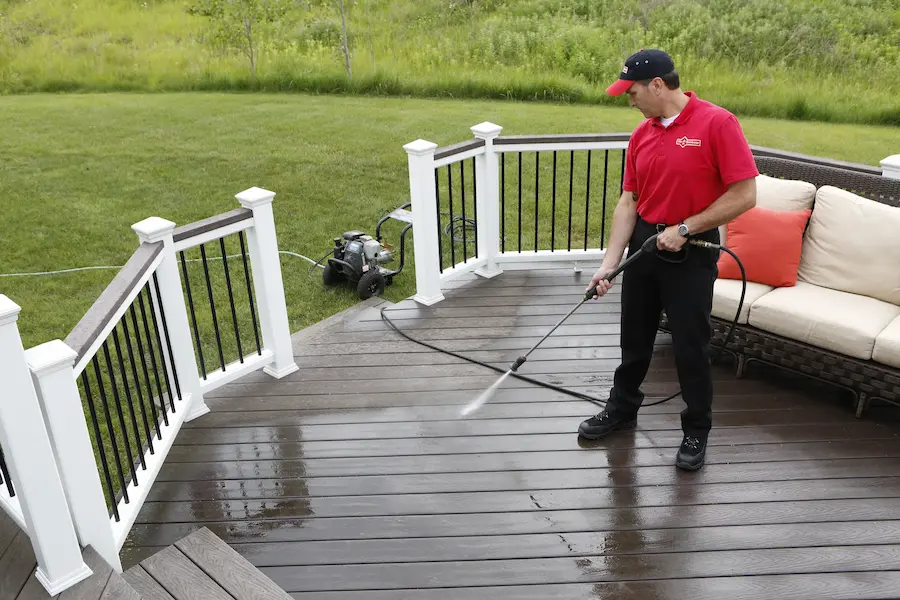
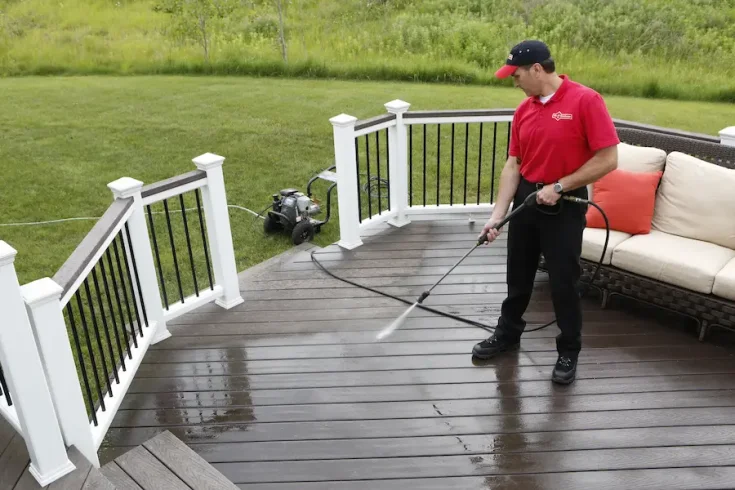
For wood siding and decking, pressure washing before staining is very important. Stain penetrates the wood grain to protect from within, and surface buildup blocks the penetration. A surface that looks clean to the eye can still carry enough contamination to cut the stain's effective lifespan in half. Pressure washing that’s done correctly opens the grain and maximizes how far the stain absorbs.
Pressure washing should precede painting or staining by 24 to 48 hours to allow the surface to dry completely. Applying finish to damp wood traps moisture and causes blistering. Any home improvement project involving exterior coatings should include pressure washing as a scheduled step.?
What Professional Equipment Does That Consumer-Grade Pressure Washers Can’t
Rental and consumer-grade pressure washers typically operate between 1,500 and 2,000 PSI with low flow rates. Professional equipment runs between 3,000 and 4,000 PSI with substantially higher gallons-per-minute output. The combination removes embedded staining and biological growth that consumer units leave behind, even after multiple passes.
Professional pressure washing includes temperature control and chemical injection. Hot water pressure washing dissolves grease and oil from concrete surfaces in a single pass. Appropriate detergents applied at the correct dilution kill mold and algae at the root rather than just removing visible growth from the surface. Consumer units don't normally offer either capability.
Incorrect pressure settings also cause damage. Too much pressure on wood siding raises the grain and creates channels that allow moisture to enter. On older mortar joints, it strips material that takes years to fail visibly but begins compromising structural integrity right away. A trained handyman calibrates equipment to the surface being cleaned.
Schedule Your Pressure Washing Before the Season Gets Away From You
The right time to schedule pressure washing is before visible damage appears. Waiting until mold is obvious or concrete is visibly pitted means the cleaning is a repair rather than preventive maintenance. Spring and fall cleanings, timed to the seasons, keep surfaces in good condition and extend the life of siding, concrete, and exterior finishes across the board. If you’re looking for a skilled professional pressure washer, call Mr. Handyman. Whether you need a one-time seasonal cleaning or want to set up a recurring schedule, our team has the professional-grade equipment and expertise to use it correctly on every type of surface. Contact us today to schedule your service and protect the investments you've already made in your home.