Menu

Call This Thursday to Get $25 OFF

Common Signs of Subfloor Damage You Shouldn’t Ignore
17/Dec/2025

The subfloor is a crucial structural component that sits between your floor joists and the surface flooring. It is a foundational layer that supports and anchors your finished floor. It’s important to ensure the integrity of the subfloor, especially in moisture-prone areas like bathrooms, kitchens, and laundry rooms. A damaged subfloor can cause sagging floors, loose tiles, poor flooring performance, water damage spread, and other problems.

Common Signs of Subfloor Damage You Shouldn’t Ignore

At Mr. Handyman, we understand that your subfloor is more than just a structural layer beneath your finished flooring; it’s a critical component that supports the safety, stability, and longevity of your entire floor. That’s why we’re here today to share information that will help you keep your subfloor in great condition. In this post, we’ll talk about the signs of subfloor damage. In case you need dependable floor repair, we are the experts to call.

Soft or Spongy Floors

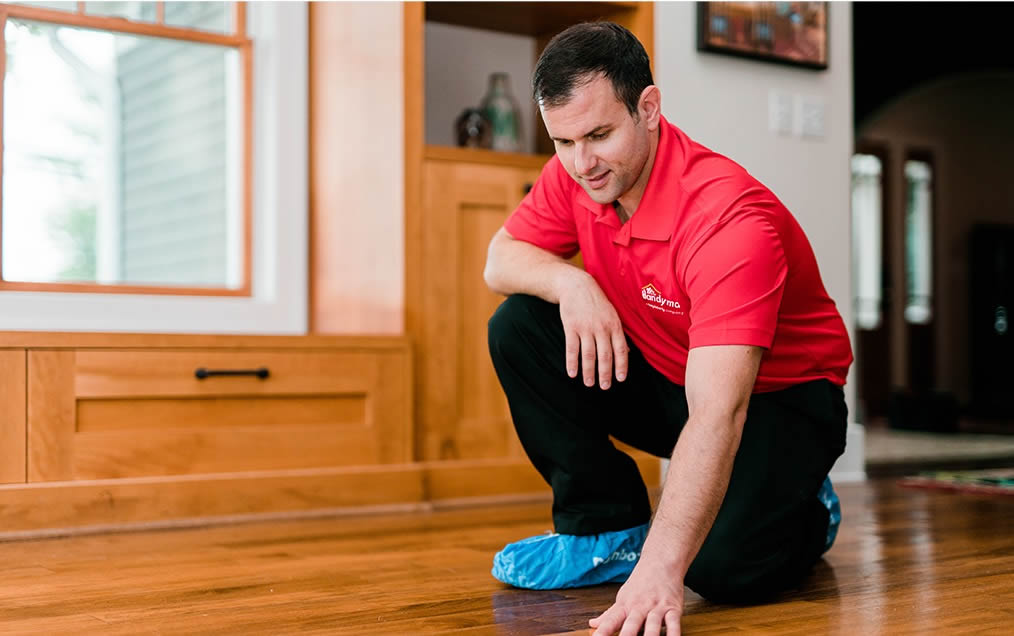
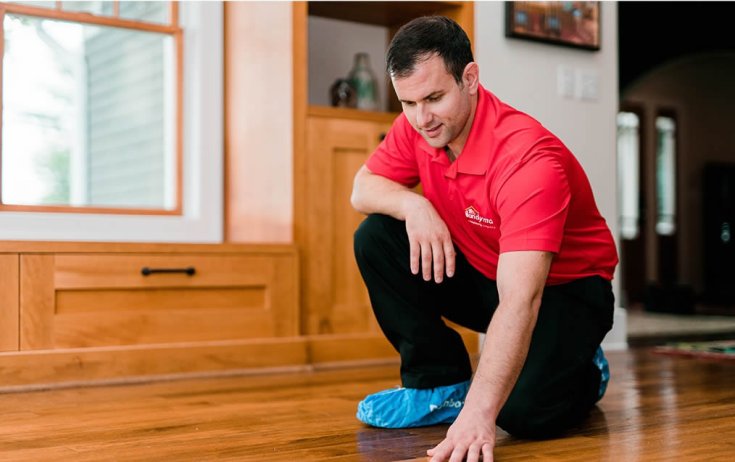
One of the noticeable signs of subfloor damage is a floor that feels soft, bouncy, or spongy underfoot. This indicates moisture damage or rot beneath the surface. Bathrooms, kitchens, and laundry rooms are especially vulnerable due to frequent exposure to water.

Uneven or Sagging Flooring

If your floors appear uneven or start to slope in certain areas, the subfloor may be weakening. Sagging can occur when prolonged moisture exposure causes wood subfloors to deteriorate or when structural supports beneath the subfloor are compromised.

Persistent Squeaks and Creaks

While occasional floor noise is normal, constant squeaking or creaking can be a sign of subfloor movement or separation from floor joists. This may be caused by warping, loose fasteners, or deteriorating materials.

Our Services

Explore our expert services designed to improve and maintain your home with precision and care.

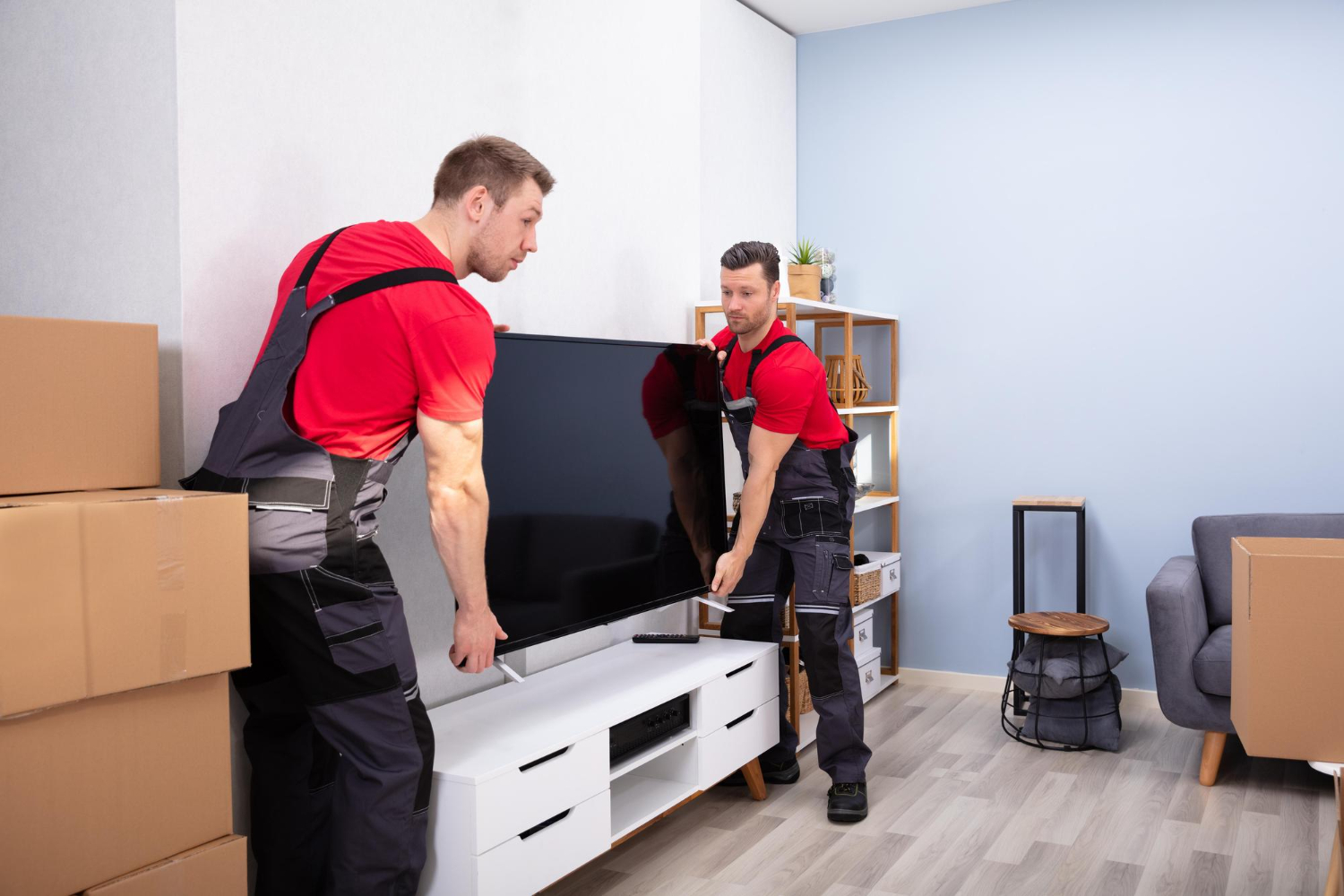
TV Mounting

Technological advancements over the years seem to make things bigger, and TV sets are…

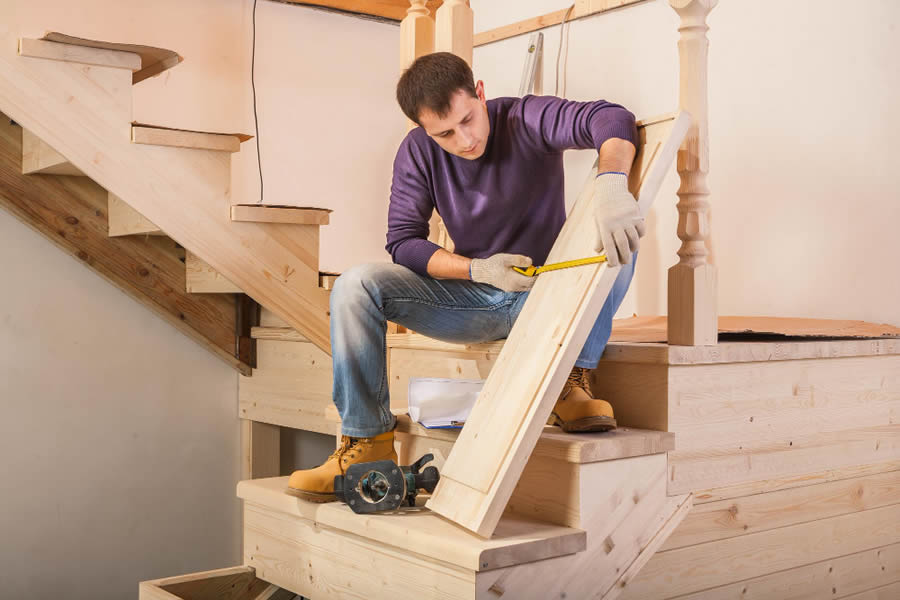
Step & Stair Repair

As a seasoned home improvement company, Mr. Handyman understands the importance of a well-maintained…

Railing Repair and Installation

At Mr. Handyman, we understand the vital role stair railings play in the appearance,…

Mailbox Repair & Installation

Your mailbox is not just a place to receive mail, but the first impression…

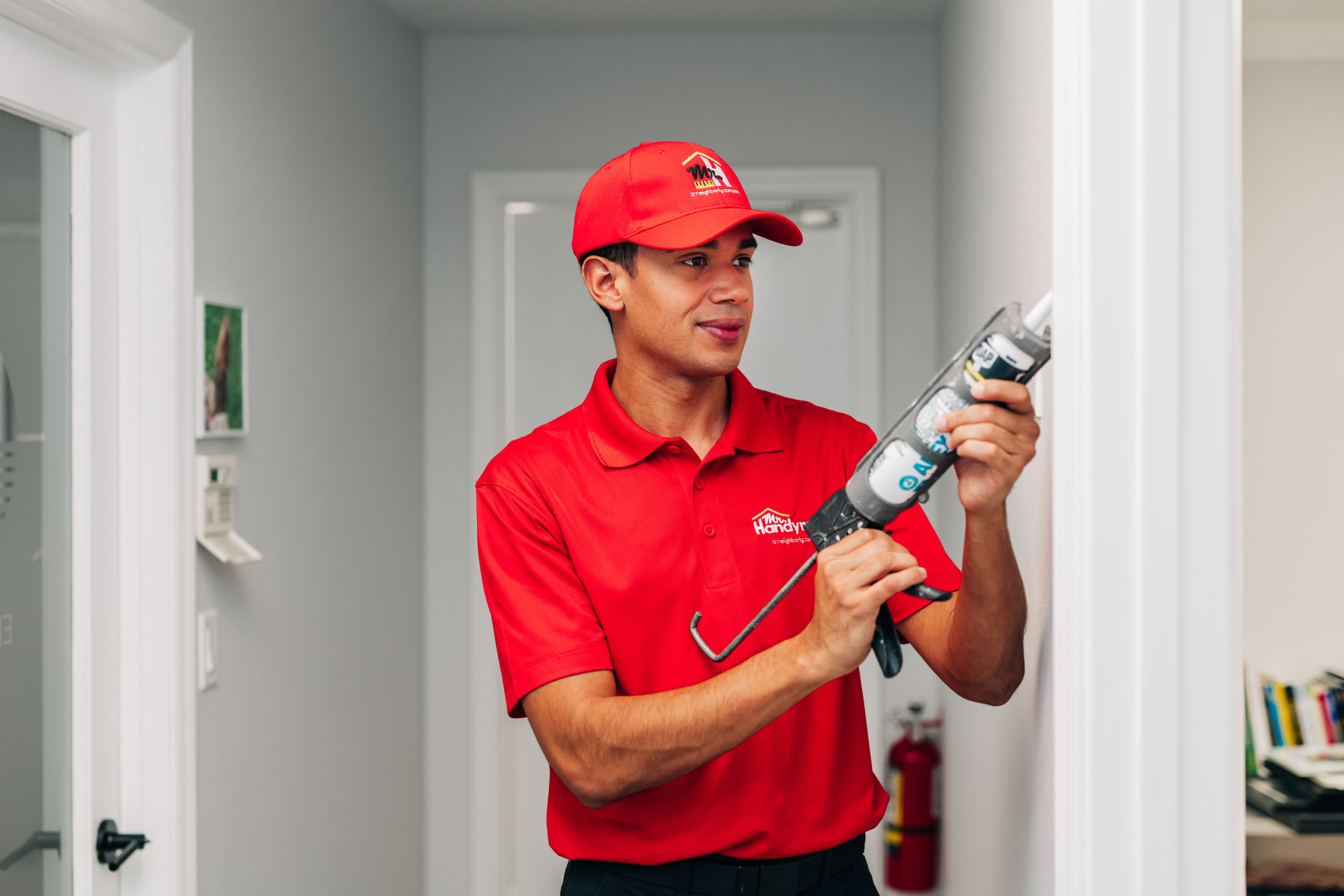
Caulking

Do you have a home renovation scheduled? If so, caulking offers an effective solution…

Cracked or Loose Tiles

Tile floors rely on a stable subfloor. If tiles crack, loosen, or grout lines break repeatedly, it’s often due to subfloor movement beneath the surface. Replacing tiles without addressing the subfloor will only result in recurring damage. Call a local handyman in Princeton, NJ to fix the subfloor first to prevent further issues down the line.

Warped or Buckling Flooring

Hardwood, laminate, and vinyl flooring can warp, bubble, or lift when moisture seeps into the subfloor. These visible changes often indicate hidden water damage that needs immediate attention.

Unpleasant Odors or Mold Growth

Musty smells coming from the floor or visible mold near baseboards can signal trapped moisture beneath the flooring. Mold growth not only damages building materials but also poses health risks to occupants.

Water Stains or Discoloration

Stains, dark spots, or discoloration on flooring or near walls may point to leaks affecting the subfloor. Even small leaks can cause widespread damage over time. Let a skilled handyman handle this problem before it gets out of hand.

Doors That Stick or Won’t Close Properly

Shifting subfloors can alter door frames, causing doors to stick or become misaligned. While overlooked by many homeowners, this can be a sign of structural movement beneath the floor.

Do You Need Floor Repair? Contact Mr. Handyman Today

A subfloor in great condition is essential for the longevity and safety of your home. If you’ve noticed any of the signs we’ve highlighted above, it’s time to call the team at Mr. Handyman for floor repair. From moisture damage to scratches, dents, scuffs, loose connections, gaps between planks, sagging, and uneven floors, we’ve got you covered. Every floor repair is handled by skilled and experienced professionals who take pride in delivering quality workmanship. We always treat your home with respect and stand behind our work with a 100% satisfaction guarantee. We also offer professional and budget-friendly drywall repair services. Contact Mr. Handyman for floor repair, and let us help you restore your flooring to great condition.


Share on :
Blogs

Our Latest Updates & Blog Posts

Loose Railings Are More Dangerous Than You Think — Here’s Why
Dec 20

Loose Railings Are More Dangerous Than You Think — Here’s Why

The wobbly railing on your deck or staircase is a serious accident waiting to happen. Every year, thousands of people are…

Read More
Subfloor Damage: Signs You Should Never Ignore
Dec 17

Subfloor Damage: Signs You Should Never Ignore

The subfloor is a crucial structural component that sits between your floor joists and the surface flooring. It is a foundational…

Read More
Caulking vs. Weatherstripping: What’s the Difference?
Dec 15

Caulking vs. Weatherstripping: What’s the Difference?

Caulking and weatherstripping both help seal your home, but they do very different jobs. At Mr. Handyman, we regularly see…

Read More
Small Drywall Holes vs. Large Ones: How Repairs Are Different
Dec 11

Small Drywall Holes vs. Large Ones: How Repairs Are Different

Drywall not only creates a polished appearance for walls and ceilings, but it also offers a versatile base for finishes. However,…

Read More